Thinking about making Central Lawrenceville your next home? You are not alone. This walkable, lively Pittsburgh neighborhood draws people who want great restaurants, river trails, and quick access to downtown. The tradeoff is that some costs run higher than city averages, especially housing and parking. In this guide, you will learn what drives costs here, how to estimate your monthly budget, and where smart choices can save you money. Let’s dive in.
Central Lawrenceville at a glance
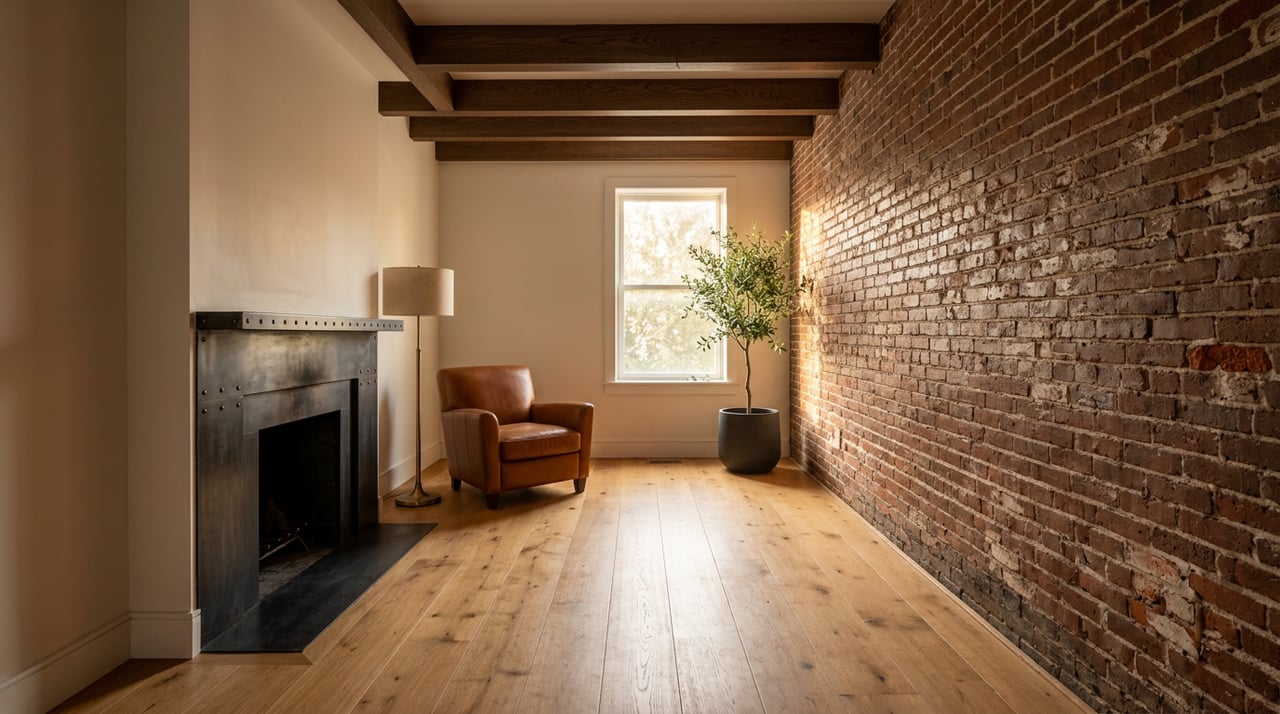
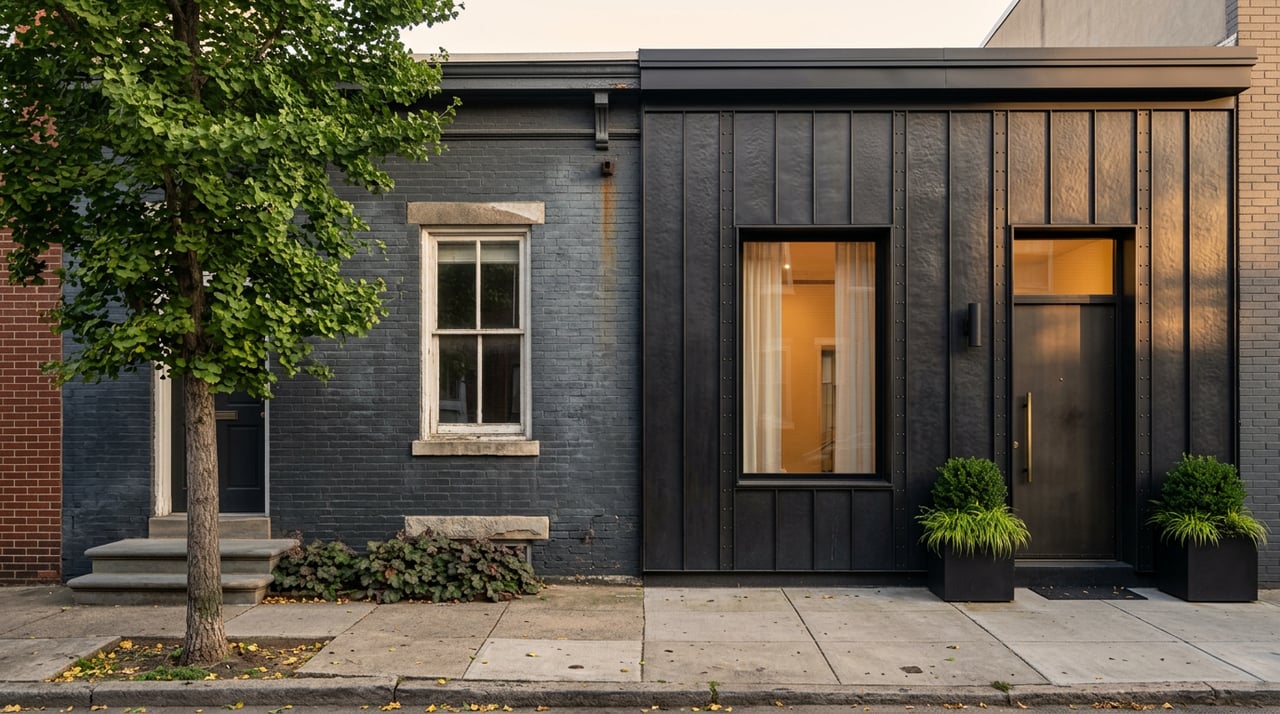
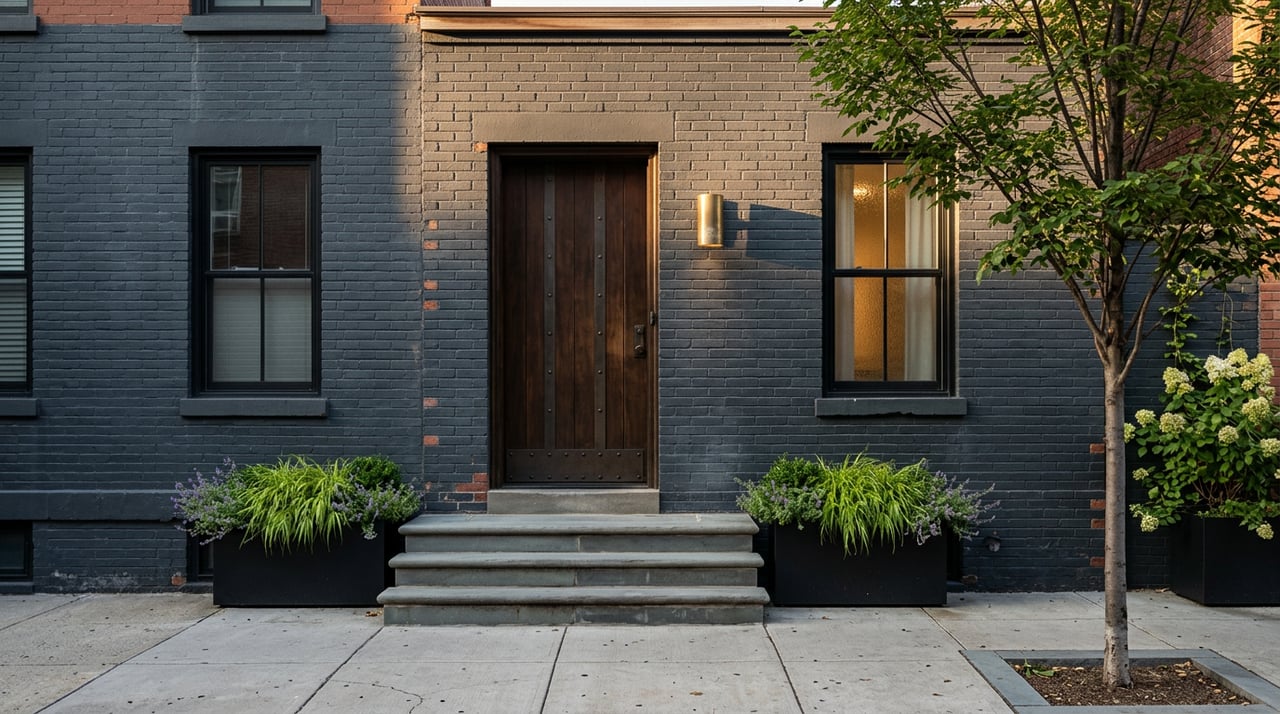
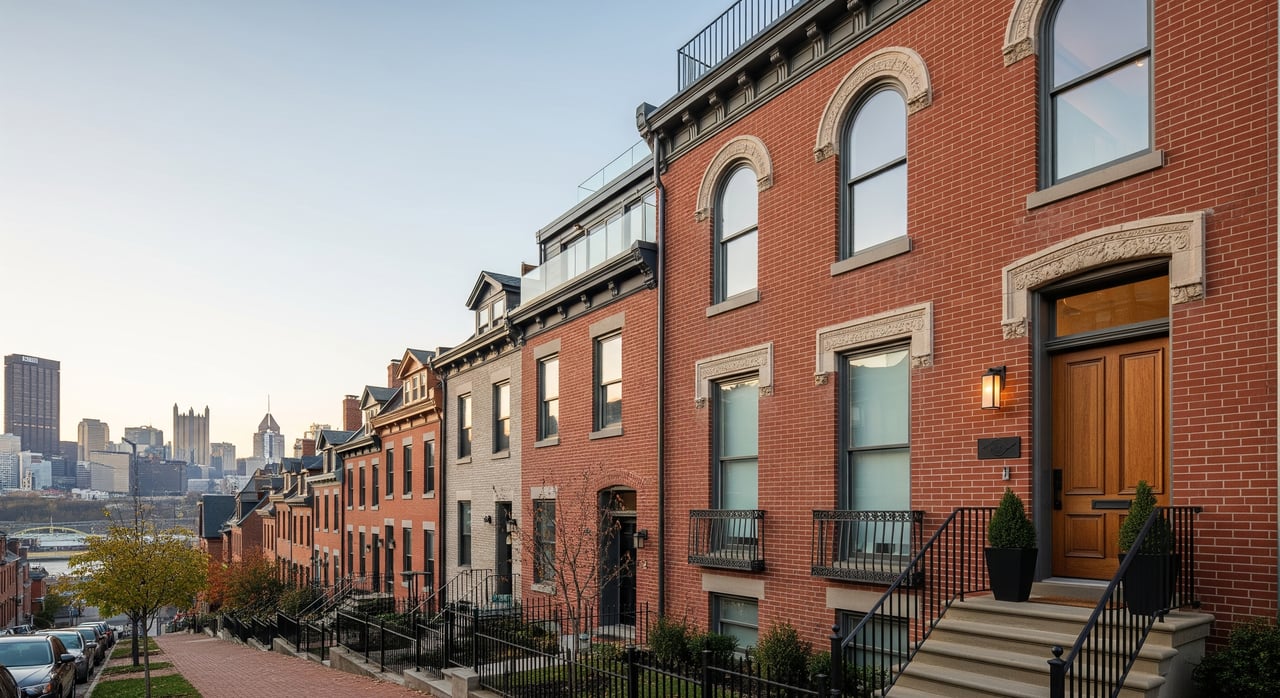
Central Lawrenceville sits northeast of downtown Pittsburgh along Butler Street. You will find active retail, restaurants, and a mix of rowhouses, converted industrial buildings, and new infill housing. Walkability is a major draw and shapes prices throughout the area. Older homes bring character, and they can also bring higher heating and maintenance costs if systems have not been updated.
Housing costs: rent vs. buy
What drives rent here
You pay a premium for walkability and updated finishes, especially near Butler Street. Modern condos and new construction often command higher rents than older rowhouse units. Lease terms are commonly 12 months, although shorter or longer options exist. Some older multi-unit buildings include water or hot water, but electricity, gas, and internet are often separate.
How to estimate your rent
- Take a 30 to 60 day snapshot of active listings in Lawrenceville and note the low, median, and high rents for studios/1BRs, 2BRs, and larger units.
- Verify which utilities are included. Heat and hot water can swing winter bills a lot if they are not covered.
- Check whether a unit includes a dedicated parking space. If not, plan for a residential permit or a paid lot if you need guaranteed parking.
- Note your snapshot date so you can compare later.
Buying in Central Lawrenceville
For buyers, expect a range of options: attached rowhouses, condos and lofts, and some newer townhomes. Renovated homes and new builds near Butler Street tend to sell for more than unrenovated properties on quieter blocks. Off-street parking is limited in many older rowhouse areas, so a deeded spot or garage can add meaningful value and cost.
How to estimate your monthly payment
Use a simple checklist to build your total cost:
- Mortgage principal and interest: Based on loan amount, rate, and term.
- Property taxes: Use the annual property tax bill divided by 12 for your monthly estimate.
- Homeowner’s insurance: Annual premium divided by 12.
- Private mortgage insurance: If your down payment is below typical thresholds, add PMI.
- HOA or condo fees: Include any monthly condo or building fees.
- Maintenance reserve: Set aside 0.5 to 1.0 percent of the home’s value per year divided by 12, especially for older homes.
- Parking: Add a monthly cost if the home does not include a dedicated spot.
Utilities and recurring services
Duquesne Light Company provides electricity for much of Pittsburgh. Natural gas is commonly supplied by Peoples Natural Gas. Water and sewer service inside the city is provided by the Pittsburgh Water and Sewer Authority. City-managed trash collection covers many properties, while some condos use private haulers. Common internet providers include Xfinity and, in some buildings, Verizon Fios or fixed wireless.
What to expect seasonally
Gas heating and hot water are common in Pittsburgh homes, so winter gas bills can be your largest utility line item. Older buildings without modern insulation may have higher energy use. Electricity usage varies by season and by whether your heating is gas or electric. Water and sewer bills are issued monthly or quarterly, and stormwater or sewer charges may apply. Internet plans are typically a flat monthly fee, plus any modem rental.
Estimating your bills
- Ask whether heat and hot water are included in rent. If included, you may pay higher rent but avoid winter bill spikes.
- Use provider rate information and a realistic usage estimate for your unit size. Expect higher bills in winter if your heat is gas or electric.
- For buyers, budget for early upgrades in older homes, such as a boiler, insulation, or windows, to lower long-term energy use.
Parking, transit, and commuting
Parking reality on and near Butler Street
Many Central Lawrenceville homes do not have off-street parking. Butler Street and nearby commercial blocks have metered parking, and some residential streets fall under permit zones. Newer developments may include garages or assigned stalls. If you need a guaranteed spot, plan for a monthly fee and verify details before you sign or make an offer.
Bus, bike, and walk options
There is no light rail stop in Lawrenceville, but Port Authority of Allegheny County bus routes connect the neighborhood to downtown and other job centers. The area’s walkability and access to riverfront trails support biking and walking for errands and recreation. Rideshare and micromobility options are widely used.
How to build your commute budget
- If you own a car: Include fuel, insurance, routine maintenance, and parking costs. Urban parking permits or garage fees can be a significant monthly expense.
- If you rely on transit: Include the cost of a monthly pass. Add occasional rideshare or carshare trips for flexibility.
Everyday spending: where it can add up
Groceries and markets
You will find standard grocery options and specialty markets nearby. Grocery prices generally track the Pittsburgh average, while specialty shops may run higher. If you cook most meals at home, your food budget can stay close to city norms.
Dining and entertainment
Lawrenceville’s restaurants, bars, and boutiques are part of the draw. A walkable lifestyle often means more frequent dining out, coffees, and events. Set a realistic line item for social spending if you plan to take full advantage of the neighborhood.
Families and healthcare
Childcare costs vary widely across the Pittsburgh metro. Healthcare premiums and out-of-pocket costs also vary by plan. Build these into your monthly forecast, along with personal care and subscriptions.
Three sample monthly frameworks
Single renter, minimal car use
- Rent for a studio or 1BR
- Utilities: electricity, gas if not included, water/sewer if billed, internet
- Transit: monthly pass or set rideshare budget
- Groceries plus modest dining out
- Renter’s insurance
- Savings and contingency
Two-person household, one car
- Rent for a larger 1BR or 2BR, or a small mortgage
- Utilities: electricity, gas with winter emphasis, water/sewer, internet
- Parking: residential permit or paid lot; fuel and insurance
- Groceries, regular dining out, entertainment
- Health and childcare contributions as needed
- Renter’s or homeowner’s insurance
Owner-occupant with mortgage
- Mortgage principal and interest
- Property taxes divided by 12
- Homeowner’s insurance and HOA if applicable
- Utilities: electricity, gas, water/sewer, internet
- Maintenance reserve: 0.5 to 1.0 percent of home value per year divided by 12
- Parking fee if no deeded spot
How to keep your numbers current
- Date your snapshot. Prices change.
- Check current listings in Lawrenceville for rent ranges by unit size and level of finish.
- Use Allegheny County property search tools to look up property-specific tax bills when evaluating a home.
- Review Duquesne Light Company, Peoples Natural Gas, and Pittsburgh Water and Sewer Authority rate information when estimating utilities.
- Confirm City of Pittsburgh parking permit zones and meter rules for your block.
- Review Port Authority of Allegheny County fare and pass options that match your commute.
- Ask landlords or sellers for typical winter gas and annual electric costs to calibrate your utility budget.
Central Lawrenceville tradeoffs to weigh
- Walkability and nightlife often mean higher housing costs near Butler Street.
- Older homes offer charm and location, but may require higher winter heating and more maintenance.
- Limited off-street parking raises the value of a dedicated stall or garage.
- Strong transit and bike options can lower car-related costs.
Ready to run the numbers on a specific property or rental and see how it fits your lifestyle? Get local guidance, real cost comparisons, and on-the-ground insights into parking, utilities, and renovation tradeoffs. Reach out to Brian Teyssier for a personalized consult.
FAQs
What makes housing pricier in Central Lawrenceville?
- Walkability, proximity to Butler Street amenities, and renovated or new construction finishes create a premium over broader city averages.
How do older rowhouses affect winter utility bills?
- Older properties may have thinner insulation or older mechanicals, which can increase gas or electric usage during cold months.
Is on-street parking free in Central Lawrenceville?
- Commercial corridors like Butler Street use meters, and some nearby residential blocks require permits, so plan for fees if you rely on street parking.
Does Lawrenceville have direct public transit to downtown?
- Port Authority buses run through Lawrenceville and connect to downtown and other neighborhoods, although there is no light rail stop in Lawrenceville.
How can buyers estimate property taxes in Allegheny County?
- Use the property’s annual tax bill divided by 12 to get a monthly estimate and add it to your mortgage, insurance, and HOA to see the full payment.
What utility questions should renters ask before signing?
- Ask if heat and hot water are included, which utilities you must set up, typical winter gas costs, and whether there are building or HOA fees.