If you only get one chance to make a first impression, your listing photos and first showing matter more than ever in Central Lawrenceville. Buyers often decide how they feel about a home before they ever step through the door, especially in a neighborhood where character, older floor plans, and mixed-era updates can all show up in the same property. The good news is that smart staging can help your home feel clearer, brighter, and more valuable from the start. Let’s dive in.
Why staging matters in Central Lawrenceville
Central Lawrenceville is a compact Pittsburgh neighborhood with 4,730 residents, and more than half of residents are between ages 25 and 44, according to the University of Pittsburgh’s 2018 to 2022 neighborhood profile. The same report shows 2,930 housing units, with 38.7% owner-occupied and 61.3% renter-occupied. That local context matters because many buyers here are comparing homes quickly and paying close attention to layout, usability, and presentation.
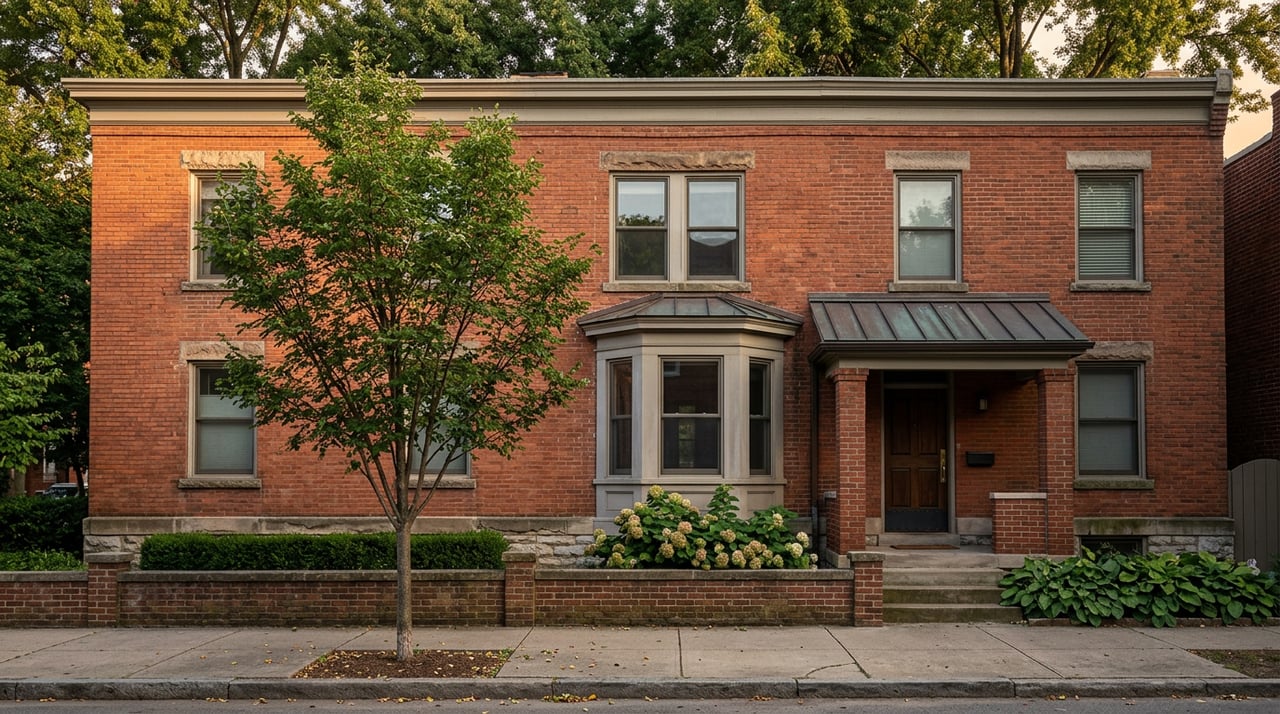
Central Lawrenceville also sits within the Lawrenceville Historic District, which the National Park Service lists with a period of significance from 1814 to 1950. In practical terms, that often means homes may have older layouts, preserved details, or renovation work from different eras. When a home has that kind of character, staging helps buyers focus on the charm rather than the distractions.
What staging can do for your sale
Staging is not just about decoration. According to the 2025 NAR Profile of Home Staging, 83% of buyers’ agents said staging makes it easier for buyers to visualize a property as a future home. That matters because buyers need to understand a space quickly, both online and in person.
The same report found that 29% of agents said staging led to a 1% to 10% increase in the dollar value offered. Another 30% of sellers’ agents saw a slight decrease in time on market when the home was staged. For sellers in Central Lawrenceville, that can make staging one of the more practical pre-listing moves you can make.
Start with decluttering
Before you think about furniture, art, or accessories, start by removing excess. NAR’s consumer guidance says staging is about decluttering and styling, not remodeling. That means packing away personal items, clearing surfaces, removing bulky furniture, and keeping closets only about half full.
This step is especially important in older homes where room dimensions may feel tighter. If furniture is too large or every surface is covered, buyers may notice the lack of breathing room instead of the home itself. A cleaner visual field helps rooms feel larger and easier to understand.
Focus on what buyers need to see
Your goal is not to show everything you own. Your goal is to help buyers see the home’s size, light, and function. When in doubt, remove one more piece of furniture, one more stack of items, or one more decorative accent.
Neutral paint can also help if a room feels visually busy. NAR recommends a clean, neutral backdrop so buyers can imagine their own style in the home. In a neighborhood known for character, that balance matters.
Stage the rooms that matter most
Not every room needs the same level of attention. The 2025 NAR staging profile found that buyers’ agents ranked the living room as the most important room to stage at 37%, followed by the primary bedroom at 34% and the kitchen at 23%. Sellers’ agents most commonly staged the living room, primary bedroom, dining room, and kitchen.
If you want the biggest impact, start there. Those spaces do the most work in photos, video, and showings.
Living room
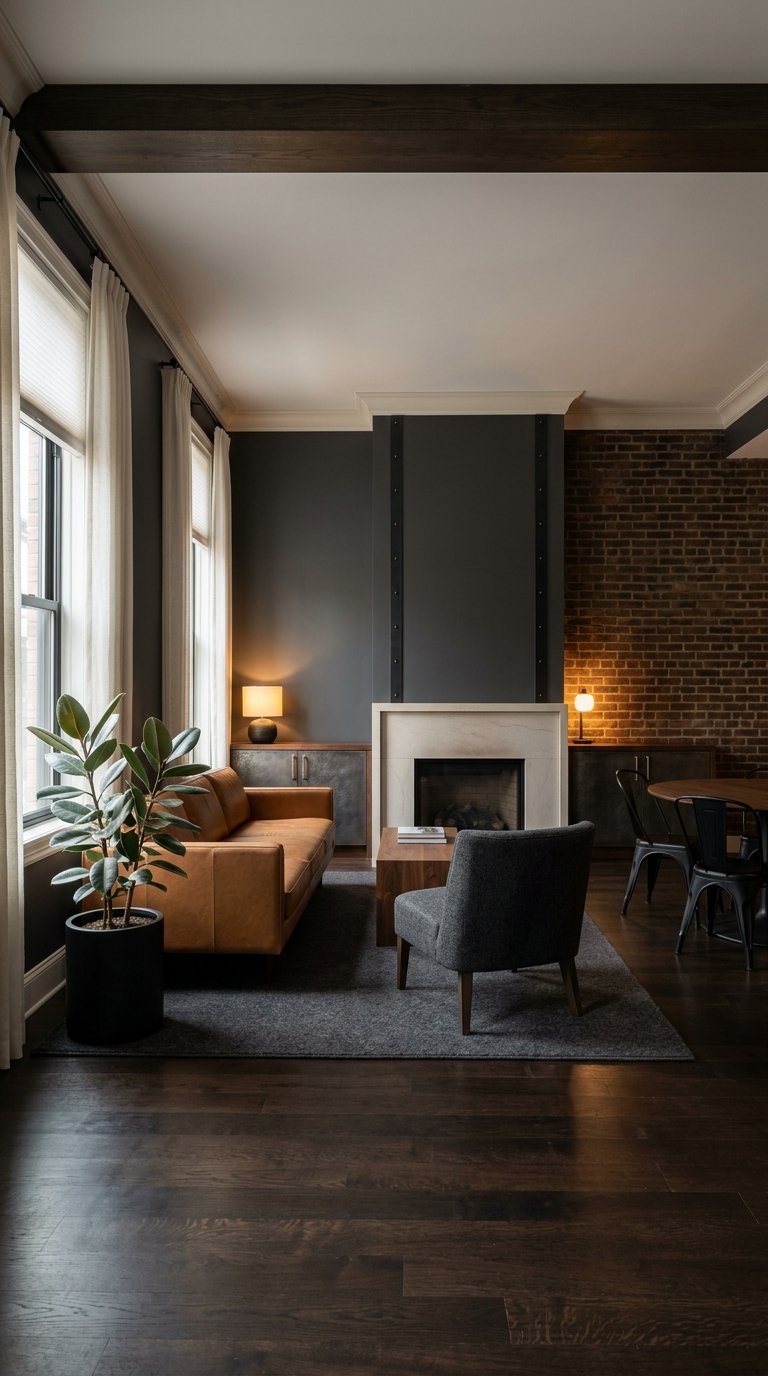
The living room often sets the tone for the entire home. Keep seating simple, create a clear conversation area, and avoid blocking windows or walkways. If the room is narrow, use fewer pieces with a smaller scale so the space feels open.
Primary bedroom
The primary bedroom should feel calm and spacious. Make the bed the focal point, reduce extra furniture, and keep nightstands and dressers lightly styled. Buyers should walk in and immediately understand how the room functions.
Kitchen
The kitchen should read as clean, bright, and ready for daily life. Clear counters as much as possible, remove magnets and paper clutter, and keep only a few intentional items out. Even dated kitchens tend to show better when they feel orderly and well lit.
Dining room
If you have a separate dining area, make sure it looks purposeful. A simple table setting or centered light fixture can help define the space. In homes with flexible layouts, this can keep buyers from wondering what the room is supposed to be.
Make lighting part of the plan
Lighting is one of the fastest ways to improve both listing media and in-person showings. NAR notes that poor lighting can make a room feel gloomy or clinical, while good lighting helps a home photograph better. Open blinds and curtains, use consistent bulb color temperatures, and consider brighter bulbs or fixture updates where appropriate.
That advice is especially useful in Central Lawrenceville homes where row house layouts, stairwells, or nearby buildings can reduce natural light. A room that feels dim in person can look even darker in photos. Staging should support the camera as much as the showing.
Keep brightness consistent
Buyers notice when one room feels warm and another feels stark or blue. Matching bulb tones throughout the home creates a smoother visual experience. It also makes your listing photos feel more polished and intentional.
Before photos are taken, walk through your home at the same time of day the shoot will happen. This helps you spot dark corners, heavy window treatments, or fixture issues that need attention.
Define each room clearly
One of the biggest staging mistakes is asking a room to do too much at once. NAR says buyers respond best when each room has a clear purpose and open traffic flow. A spare room that looks part office, part storage, and part workout area can create confusion.
That matters in Central Lawrenceville, where buyers may be looking for flexibility in how they live and work. Given the neighborhood’s adult-heavy profile and median age of 32.6, it makes sense to show how a home can support everyday needs like working from home, hosting guests, or creating a dedicated hobby space.
Show flexibility without clutter
If you have a bonus room or extra bedroom, choose one function and stage it well. A small desk and chair can suggest a home office. A neatly made bed and lamp can suggest guest space.
The key is clarity. Buyers do not need to see every possible use at once. They just need to understand that the room is useful.
Let the home’s character stand out
In a historic area, staging works best when it highlights original details without overwhelming them. NAR’s guidance favors a clean, neutral backdrop, and that approach fits Central Lawrenceville well. If your home has trim, flooring, brick, stair details, or other older features, let those elements do some of the visual work.
You do not need heavy décor to make a home feel special. In fact, too much styling can compete with the features buyers came to see. Clean lines, edited furniture, and restrained accessories often help character read more clearly.
Be careful with exterior changes
If you are considering more than simple exterior touch-ups, pause before making updates. The City of Pittsburgh notes that external alterations to individually listed historic properties or properties in a historic district may be subject to review and approval, depending on the scope of work. Before making exterior changes beyond routine maintenance, confirm whether your property is affected.
Coordinate staging with photos and video
Online presentation is a major part of how buyers experience your home. The 2025 NAR report found that buyers’ agents ranked photos as the most important listing element at 73%, followed by traditional staging at 57%, videos at 48%, and virtual tours at 43%. That tells you something important: staging should happen before media, not after.
NAR’s consumer guidance also recommends photographing the home only after decluttering and staging are complete. If the visual story is not ready, your listing launch is not ready.
Follow a simple launch sequence
For many Central Lawrenceville sellers, this order works best:
- Deep clean the home.
- Declutter and depersonalize.
- Stage the key rooms.
- Improve lighting and consistency.
- Photograph the home.
- Capture video and virtual tour assets.
- Keep the setup intact for showings.
This kind of workflow supports a faster, cleaner listing launch. It also helps older homes with smaller rooms or mixed finishes come across in a more intentional way.
Do you need full staging?
Not always. The 2025 NAR report says only 21% of sellers’ agents stage all of their listings. Many sellers use a consultation, partial staging, or seller-led decluttering instead.
That can be good news if you want strong presentation without overcomplicating the process. In some homes, a focused plan for the living room, primary bedroom, kitchen, and dining area can deliver most of the benefit.
What about cost?
According to NAR’s 2025 report, the median amount spent on a staging service was $1,500. Actual cost varies based on the size and condition of the property, how much help you need, and whether the home is occupied or vacant.
The right question is not just what staging costs. It is whether your current presentation helps buyers see the home clearly and respond with confidence.
Virtual staging and vacant homes
If your home is empty or needs help telling a visual story, virtual staging can be useful. NAR says it can help with vacant or inhabited homes, but any enhancements that materially change what a room really looks like should be disclosed. That keeps expectations aligned between the listing and the in-person showing.
Virtual staging can be helpful for showing scale and layout, but it works best when the actual home is still clean, bright, and well prepared. It should support the truth of the property, not replace it.
If you are getting ready to sell in Central Lawrenceville, staging is one of the most effective ways to control first impressions and strengthen your launch. With the right plan, you can highlight character, improve flow, and make your home stand out in photos and in person. When you want a listing strategy built around presentation, media, and local market insight, connect with Brian Teyssier for a consultation or home valuation.
FAQs
How important is staging for selling a home in Central Lawrenceville?
- Staging can have a strong impact because it helps buyers visualize the home more easily, improves listing photos, and may support stronger offers or less time on market according to NAR’s 2025 staging report.
Which rooms should sellers stage first in Central Lawrenceville homes?
- Start with the living room, primary bedroom, kitchen, and dining room, since those are the rooms buyers’ agents and sellers’ agents identified as the highest staging priorities.
How much does home staging usually cost in Central Lawrenceville?
- NAR’s 2025 report found a median staging-service spend of $1,500, though your actual cost can vary based on the home’s size, condition, and whether you need partial or full staging help.
Should Central Lawrenceville sellers stage before listing photos?
- Yes. Staging, decluttering, and lighting adjustments should be completed before photos, video, and virtual tours so your home presents well from the moment it hits the market.
Can I make exterior updates to a Central Lawrenceville home before selling?
- Maybe, but if your property is individually listed or located in a historic district, some exterior alterations may require review and approval from the City of Pittsburgh depending on the scope of the work.
Is virtual staging a good option for vacant Central Lawrenceville homes?
- Virtual staging can help buyers understand scale and function in a vacant home, but any changes that materially alter how a room actually looks should be disclosed.