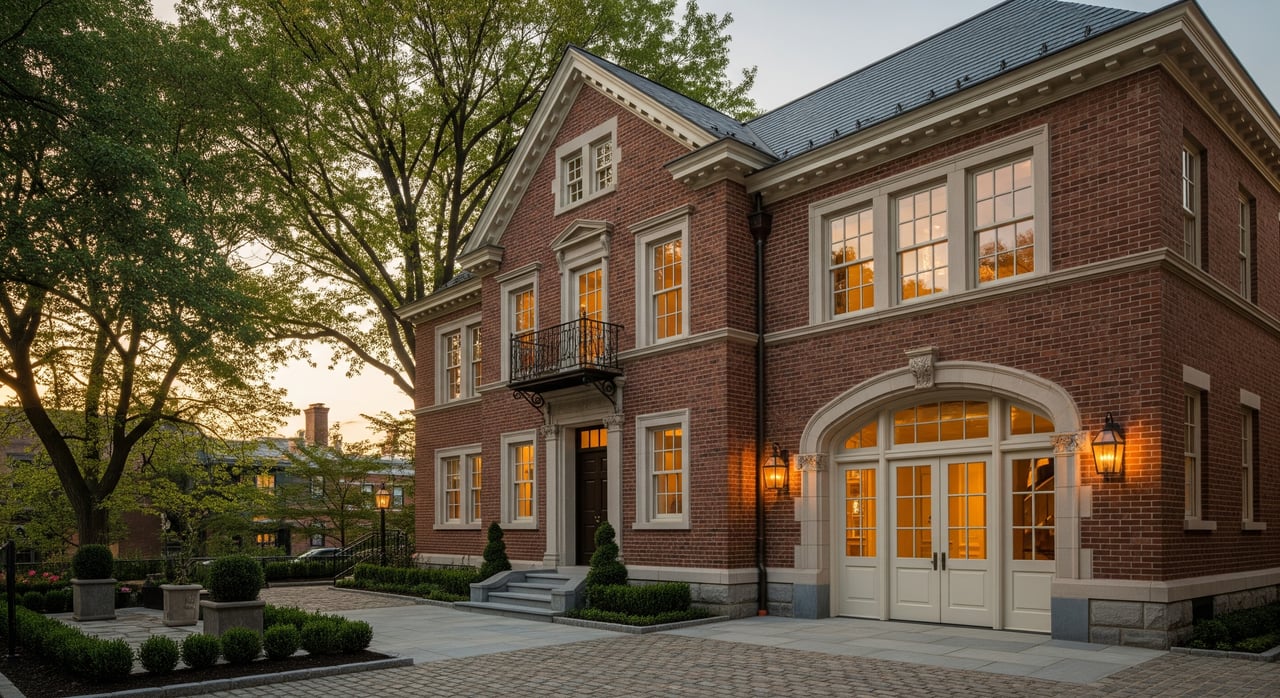
Picture yourself unlocking a tucked‑away loft above a brick garage on a leafy Shadyside block. The charm is real, but so are the details that make or break daily life and long‑term value. If you are weighing a carriage house in Shadyside, you need to balance history and character with zoning, access, systems, and costs. This guide explains what to look for, what to verify, and how to decide if a carriage house fits your lifestyle and budget. Let’s dive in.
What a Shadyside carriage house is
Historic roots, modern uses
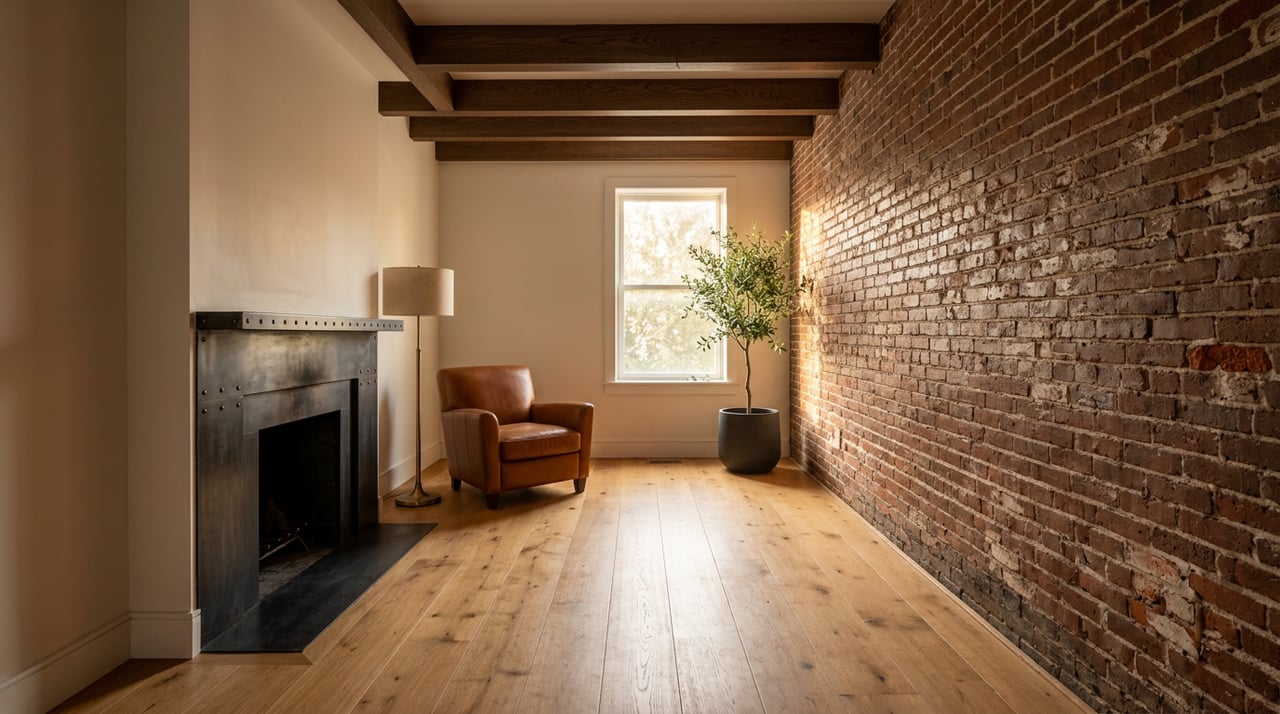
A carriage house started as an outbuilding for horses and carriages. In Shadyside, many date to the late 19th or early 20th century and sit behind or beside the main house. Today, you often see these structures converted into garages, workshops, studios, guest suites, or accessory dwelling units. Many conversions preserve details like exposed beams and brick, which add character but may need modern upgrades.
Shadyside’s lot patterns and access
Shadyside is walkable and dense, with narrow lots, rear alleys, and close lot lines. Carriage houses here often open to an alley or a tight driveway. Expect smaller footprints, compact floor plans, low or sloped ceilings, and close proximity to neighbors. Parking can be limited, and the alley might be public or private, which affects access and upkeep.
Typical layouts and living experience
Floor plans and size
Most carriage houses are one or two stories with a footprint smaller than the main home. Historically they had one or two carriage bays. In modern layouts, the ground floor might be a garage or a small living area with kitchen and dining, while a loft or studio sits above. Usable space can feel narrow, with reduced headroom where the roofline slopes. Natural light may be limited, so pay attention to windows and skylights.
Getting in and out
Access often runs from a rear alley or a narrow side passage. Some driveways and garage openings predate modern car sizes, so a compact vehicle may fit better than a full‑size SUV. Separate pedestrian entries are common and helpful if you plan to host guests or use the space as a rental. Stairs can be steep, and ADA accessibility is uncommon in these older structures.
Utilities and building systems
Many carriage houses were not built with independent utilities. A converted unit may or may not have separate meters for electricity, gas, water, and sewer. Typical upgrades include a modern electrical panel and wiring, new plumbing, added insulation, and an HVAC solution. Ductless mini‑split heat pumps are popular for small accessory buildings. Drainage and moisture control are also critical, since outbuildings near yards and alleys can see foundation dampness.
Legal and zoning must‑knows
ADU status and legal use
If you plan to live in or rent out a carriage house, verify whether it is legally recognized as a dwelling. Confirm the property’s zoning district and permitted uses. Ask for copies of building permits and the Certificate of Occupancy for any living space in the carriage house. Some units may be nonconforming or “grandfathered,” which can limit your ability to change or rent the space.
Historic district considerations
Shadyside includes many historically significant buildings. If your property is in a local historic district or carries a landmark designation, exterior changes such as doors, windows, roofing, or siding may require review and approval. Check whether any past work received historic‑review approvals and whether incentives or restrictions apply. This affects timelines, costs, and the scope of allowable renovations.
Deeds, alleys, and easements
Read the deed and the plat carefully. Look for recorded easements for driveway or alley access. In Pittsburgh, alleys can be public or private, and private alleys often come with shared maintenance responsibilities. Confirm how access works and who pays for upkeep. Also review how the carriage house is described in title documents to confirm it is part of the same parcel.
Permits and missing paperwork
Ask for permits and final inspections for any conversion work. If a carriage house is marketed as a residential unit, request the Certificate of Occupancy. If paperwork is missing, legalizing the unit later may require bringing it up to current code, which can be both time‑consuming and expensive.
Condition and maintenance red flags
Structure and envelope
Look for settlement in foundations, cracked masonry, and failing mortar joints that may need repointing. Roofs can be small and patched, especially where a carriage house meets a yard or a fence. Exposed wood elements like sills and soffits are prone to rot, and older siding or shingles may need replacement. Original single‑pane windows and limited insulation can mean higher heating and cooling costs if not updated.
Systems and safety
Older wiring, undersized electrical service, or obsolete materials like knob‑and‑tube can limit functionality and pose risks. Plumbing might be galvanized with low capacity. Without ductwork, many owners install mini‑split heat pumps. For sleeping areas, confirm safe egress routes and window sizes, and check for hardwired smoke and carbon‑monoxide detectors. These details affect both safety and insurance.
Moisture and drainage
Outbuildings close to the rear yard or alley can collect water at the foundation. Watch for dampness, musty odors, efflorescence on masonry, and clogged gutters. A simple drainage improvement might solve the issue, but some properties require more involved grading or waterproofing.
Costs, timelines, and expectations
Conversion and retrofit budgets vary widely. A modest garage‑to‑studio project that adds insulation, electrical upgrades, HVAC, and finishes can be manageable. A full legalization that requires structural work, new foundations, plumbing expansion, and fire separation can add significant cost. Timelines can include building permits, potential historic‑review approvals, and inspection scheduling. Plan for weeks to months depending on scope and municipal workload.
Financing, insurance, and value
Financing and appraisals
Lenders usually require that any dwelling unit be legal and habitable. An unpermitted carriage‑house apartment can complicate underwriting and delay closing. Appraisers may assign value to a legal accessory dwelling or documented rental income, but small size and unconventional layouts can limit adjustments. If you intend to use rental income to qualify, confirm your lender’s documentation requirements and the unit’s legal status.
Insurance and liability
Disclose any carriage‑house living space to your insurer. Some policies exclude unpermitted units or require upgrades like hardwired detectors and modern electrical standards. If you rent the space, consider landlord and liability coverage. Clear documentation helps with underwriting and claims.
Buyer checklist for tours and offers
Use this quick checklist to stay organized:
Legal and use status
- What is the current use: living space, garage, or storage?
- Ask for permits, final inspections, and the Certificate of Occupancy for any residential use.
- Review the deed and plat for parcel boundaries and any access easements.
Utilities and metering
- Are electricity, gas, and water separately metered? If not, how are bills handled?
- Locate the electrical panel, HVAC equipment, and water heater. Note age and condition.
Parking and access
- How do you reach the structure: alley, driveway, or side passage?
- Is the alley public or private? Any recorded parking or access easements?
- Measure garage openings and bays. Will your vehicle fit comfortably?
Structure and systems
- Check roof age, visible masonry, signs of settlement, and moisture.
- Note insulation levels and window types. Ask about recent upgrades.
Fire and egress
- Confirm legal egress windows for sleeping areas and presence of required detectors.
Historic restrictions
- Is the property in a historic district or under preservation rules? What past approvals exist?
Neighborhood and municipal rules
- Are there on‑street residential parking permits, short‑term rental rules, or other regulations that affect your plans?
Financial and insurance
- How is the carriage house listed and taxed? Any impact on assessment?
- Has the insurer been notified, and are there premium changes or exclusions?
Before you write an offer, request copies of permits and sign‑offs, the Certificate of Occupancy if applicable, the deed and plat with easements, recent utility bills, any HOA or neighborhood covenants, and any historic‑review approvals.
Who to call in Pittsburgh
You will want to verify details with local authorities and professionals. Useful contacts include the City’s permitting and inspections office for permits and Certificates of Occupancy, the Department of City Planning or Historic Review Commission for historic‑district rules, and the Allegheny County Recorder of Deeds and Assessment Office for deeds, parcel history, and tax classification. The Pittsburgh Parking Authority can clarify on‑street rules and permit zones. When in doubt, lean on a home inspector with historic property experience, a structural engineer familiar with masonry, and licensed electricians and plumbers who understand older buildings.
Is a Shadyside carriage house right for you?
A carriage house can deliver unique lifestyle and potential rental income in one of Pittsburgh’s most walkable neighborhoods. The tradeoff is practicality. Success comes from verifying legal status early, understanding access and parking, planning for systems upgrades, and budgeting the time and money to do it right. If you love the character and you are comfortable with the constraints, a Shadyside carriage house can be a standout choice.
Ready to explore options or pressure‑test a specific property? Let’s talk through zoning, historic questions, and cost/benefit before you commit. Get a free home valuation or schedule a consultation with Unknown Company.
FAQs
Are carriage houses in Shadyside legal to rent?
- It depends on zoning, permits, and whether the unit has a Certificate of Occupancy as a dwelling; verify documents before relying on rental income.
What permits do I need to convert a garage to living space in Pittsburgh?
- You typically need building permits and inspections for structural, electrical, plumbing, and HVAC work, plus a Certificate of Occupancy for any new dwelling use.
How can I tell if the alley behind a Shadyside home is public or private?
- Check the deed and plat for access language, then confirm alley status and maintenance responsibility with city records or mapping resources.
Will a modern SUV fit in a historic carriage house garage bay?
- Many older bays and driveways are narrow, so measure the opening and interior depth to confirm clearance before you buy.
Can I use projected rental income from a carriage house to qualify for a mortgage?
- Lenders usually require that the unit be legal and may ask for documentation of market rent or leases, so confirm requirements in advance.
What inspections are most important for a converted carriage house?
- Prioritize a full home inspection, electrical and plumbing evaluations, moisture and foundation checks, and verification of fire and egress safety.
Are there restrictions on changing windows or doors on a carriage house in Shadyside?
- If the property is in a local historic district or has a designation, exterior changes may need review and approval, so plan timelines accordingly.