Pull up three tabs for the same Central Lawrenceville search and you will get three different answers about what a house here actually costs. Redfin says the median sale price over the three months ending May 2026 was $416,000, up 2.7% from a year earlier. Homes.com, reporting as of June 2026, lists a median home sale price of $427,500, up 6% year over year, on the same page where it separately lists the median price for townhomes specifically at $459,900. Zillow's home value index lands at $353,713 as of June 30, 2026, down 6.1% over the same twelve months. Three sources, four numbers, and a spread of more than $100,000 depending on which line you read.
None of them are wrong. They are measuring different things because Central Lawrenceville is not one housing market. It is two, wearing the same zip code.
The numbers that refuse to agree
Here is what a snapshot of the neighborhood's pricing data actually looks like right now, pulled from sources reporting as of mid-2026:
| Source | Metric | Figure | Window |
|---|---|---|---|
| Redfin | Median sale price | $416,000 (+2.7% YoY) | 3 months ending May 2026 |
| Redfin | Average sale price | $383,000 (-23.2% YoY) | Most recent month reported |
| Zillow | Home Value Index (average) | $353,713 (-6.1% YoY) | As of June 30, 2026 |
| Zillow | Median list price | $408,167 | As of June 30, 2026 |
| Homes.com | Median home sale price, all types | $427,500 (+6% YoY) | As of June 2026 |
| Homes.com | Median home price, townhomes | $459,900 | As of June 2026 |
| DealScanner | Median asking price, active listings | $324,500 | As of June 25, 2026 |
| DealScanner | Median sold price, trailing 12 months | $442,450 (56 sales) | Trailing 12 months to June 2026 |
A buyer skimming headlines could reasonably conclude the neighborhood is up 6% or down 23% depending on which page loaded first. Both readings are technically accurate. Neither one tells you what you need to know before you write an offer.
Two products, one label
Homes.com's own page explains why it reports two different medians at once. As of June 2026, townhomes for sale in Central Lawrenceville ranged from $225,500 to $1,040,000. That is not price variation within one product category. That is two different products being sold under the same neighborhood name.
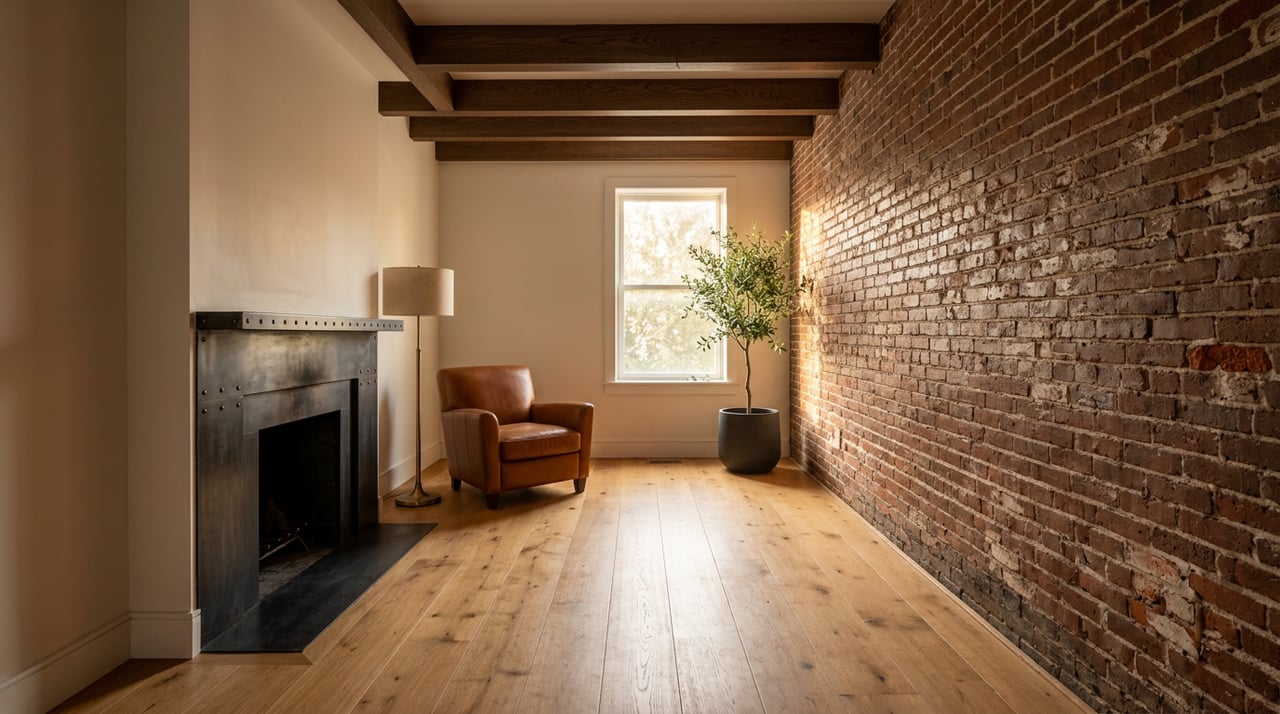
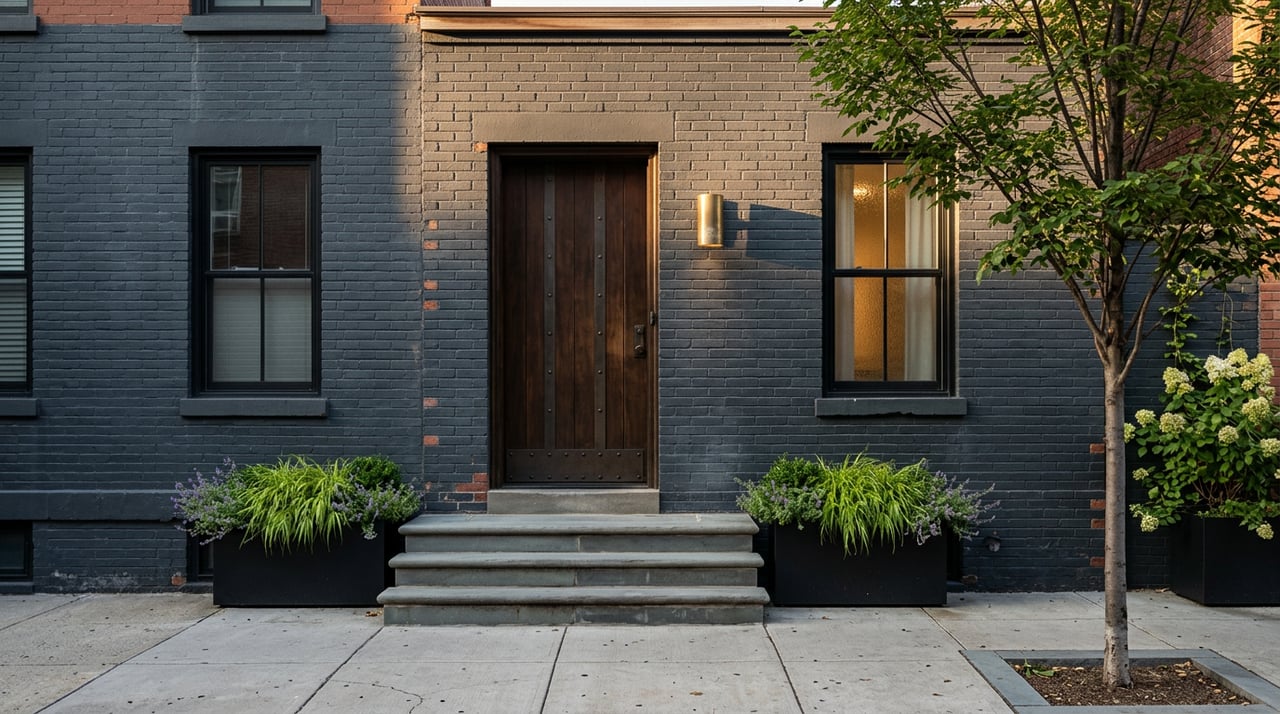
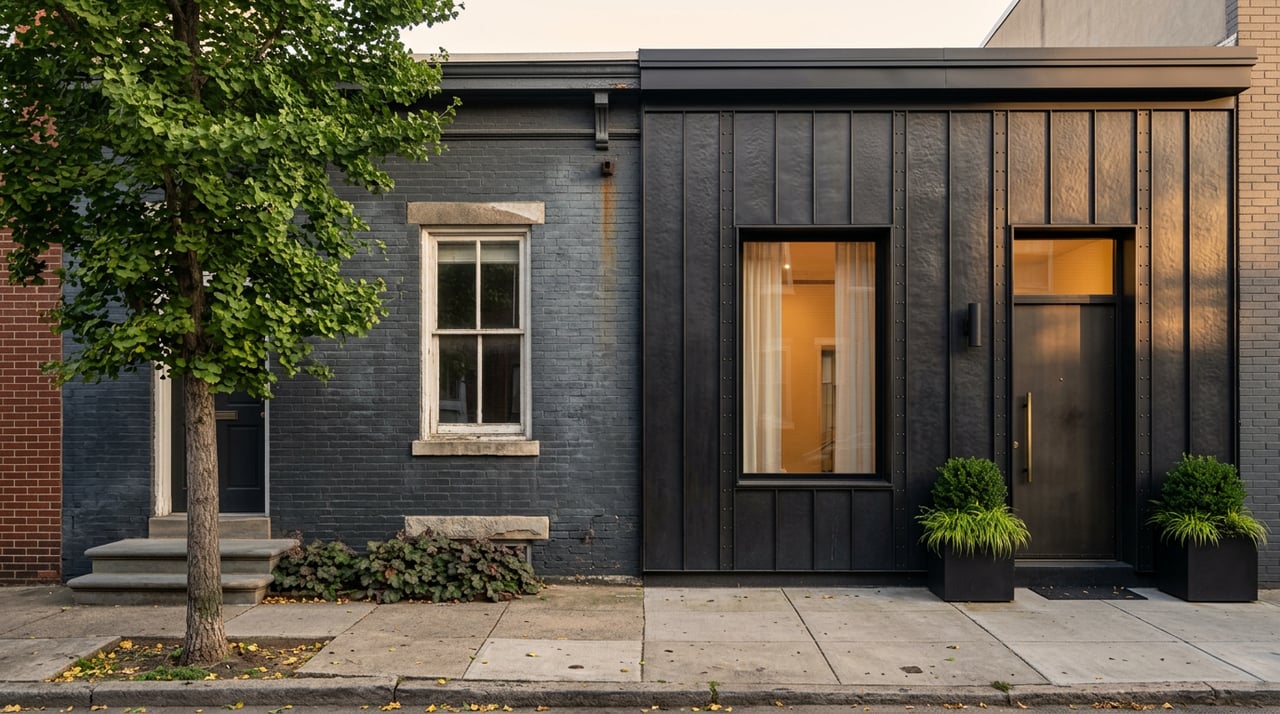
On one end: pre-1920s attached rowhouses, the classic Lawrenceville building stock, narrow and original, often carrying deferred maintenance. On the other: new-build infill townhomes and gut renovations clustered close to Butler Street, priced to reflect current construction costs rather than 1910s materials.
Those construction costs are not abstract. A standard 2,500 square foot new build in Pittsburgh runs $500,000 to $625,000 in construction cost alone, based on a $200 to $250 per square foot range, with premium finishes pushing that as high as $450 per square foot. A builder putting up a new townhome on a Central Lawrenceville lot is pricing against that math, not against what a rowhouse three blocks away sold for in 1998 and was never rewired.
When Redfin, Zillow, and Homes.com each pull their comp sets, the ratio of new-build sales to rowhouse sales in that particular window shifts the median dramatically. A month with two new-construction closings looks like appreciation. A month dominated by rowhouse resales looks like a correction. Neither month is lying. The comp set just changed shape.
What the new-construction premium is actually buying into
The premium end of that range is not speculative. Capital keeps landing on this stretch of Butler Street. Lawrence Hall, a 6,000 square foot food hall built inside a repurposed 1890s warehouse and anchored by its Dear James bar, is explicitly sited in Central Lawrenceville. The building was constructed in the 1890s and once served as a movie theater before its current life as a communal dining space.
A few blocks up the same corridor, chef Csilla Thackray opened Titusz, an Austro-Hungarian restaurant, on April 2, 2026, in the former Merchant Oyster Co. space on Butler Street. The project brought together Dom Branduzzi, chef Roger Li, and Sean Rosenkrans of the Allegheny Wine Mixer, the kind of restaurant-industry pedigree that does not attach itself to a corridor it expects to stall out.
None of that activity puts money directly into any one house's sale price. What it does is underwrite the logic behind paying $700,000 or more for a new-build townhome instead of $300,000 for an unrenovated rowhouse two blocks off Butler. Buyers at the top of that range are pricing in a commercial corridor that keeps attracting real investment, not just hoping it holds.
What the older stock is pricing in
The bottom of the range carries its own logic, and it shows up at the inspection table more than in the listing description. Pittsburgh's housing stock is dominated by structures built between 1900 and 1920, and knob-and-tube wiring is a routine finding in homes from that era. It is not automatically a dealbreaker, but it is a real cost. Rewiring typically starts around $5,000 and climbs with square footage, and some insurers decline to write a policy until the work is done, which means a buyer may need to budget for an electrician's evaluation before they can close on financing that requires proof of insurability.
The lot geometry compounds it. Central Lawrenceville's narrow parcels, often 25 feet wide, limit horizontal renovation options, which is why third-floor additions are the standard move for owners who outgrow a rowhouse but don't want to leave the neighborhood. That constraint keeps unrenovated rowhouses priced lower per square foot than new construction, but it also means the buyer taking on that lower price is often signing up for a rewire, a possible party-wall conversation with a neighbor, and a longer runway before the house functions the way a new build does on day one.
Questions worth asking before you trust any median
A single neighborhood-wide number cannot tell you which product you are looking at. Before you anchor an offer to any published median, ask:
- Is this specific listing a pre-1950s rowhouse or a new build or gut renovation? The comp set should match the product, not just the address.
- What is the price per square foot for comparable housing type, not just comparable square footage?
- How many days has this specific listing type been sitting, versus the neighborhood-wide average of roughly 50 to 87 days depending on the source and month?
- Has the electrical system been updated, and does the seller have documentation an insurer will accept?
- Does the geographic boundary the data source uses match the block you are actually considering? Lower, Central, and Upper Lawrenceville get reported separately by some sources and blended by others.
FAQ
Which number should I actually use when making an offer? None of them alone. Ask your agent to pull sold comps filtered specifically by housing type and renovation status for the block you're considering, not the neighborhood-wide median.
Is Central Lawrenceville appreciating or not? Both stories are true at once. New construction and renovated properties near Butler Street are holding or gaining value. Unrenovated rowhouse stock, weighted more heavily in some monthly samples than others, can pull the reported average down even in months when nothing about the neighborhood actually got cheaper.
Does new restaurant and retail activity affect resale value directly? Not in a way that shows up on a closing statement. What it does is support the case for paying a new-construction premium with more confidence, since a corridor that keeps attracting food and retail investment is one that keeps drawing buyers willing to pay for it.
If you're weighing a rowhouse against new construction in Central Lawrenceville and want someone to run the actual comps for your specific block instead of the neighborhood average, Brian Teyssier can walk through what a realistic offer looks like for the property you're actually considering. Get a free home valuation or schedule a consultation to start with numbers that match your address, not just your zip code.